


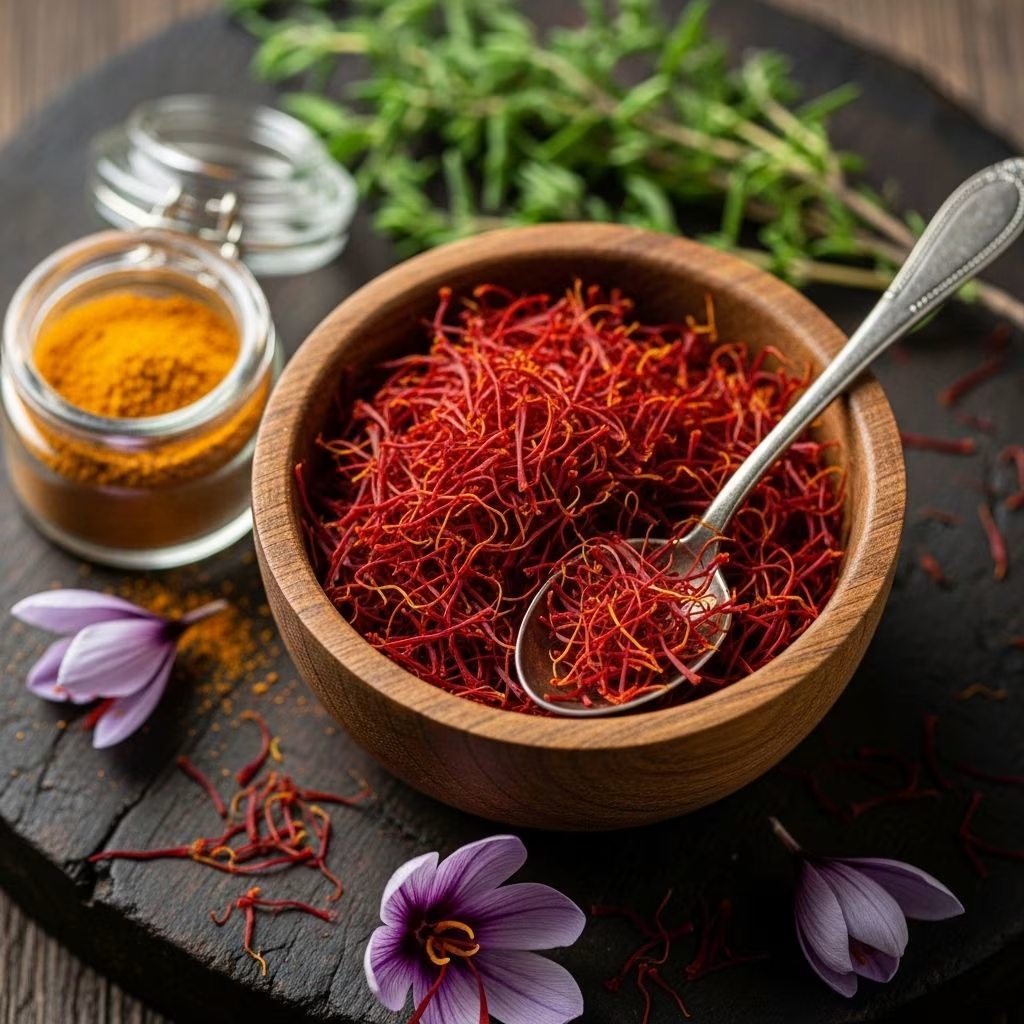
Introduction: What Is Saffron?
Saffron is renowned as the world’s most expensive spice, prized for its vivid golden color, delicate aroma, and subtle yet complex flavor.
It consists of the deep orange-red stigmas (threads) from the Crocus sativus flower, cultivated for thousands of years across the Mediterranean, Middle East, and South Asia.
Saffron’s signature presence in both ancient healing traditions and luxury culinary recipes continues today.
Origin and Botanical Profile
- Botanical Name: Crocus sativus
- Family: Iridaceae (Iris family)
- Native Range: Southwest Asia; cultivated from Spain and Iran to India and beyond.
- Harvesting: Each flower produces only three saffron threads and must be harvested by hand at dawn—making it a labor-intensive crop.
Saffron is referenced in ancient texts as early as 1500 BCE, valued in Persian, Greek, Roman, and Indian cultures for its flavor, medicinal properties, and use as a dye.
Why Is Saffron So Expensive?
- High Labor Requirement: Every thread is hand-picked, with tens of thousands of flowers needed for one pound of saffron.
- Low Yield: Each crocus yields only three sigmas; approximately 75,000 flowers needed for just 1 pound.
- Growth Constraints: Saffron crocus blooms for only a few weeks in autumn, limiting annual harvests.
- Purity Concerns: Adulteration is common due to price, so authenticity and quality are crucial.
Taste Profile: How Does Saffron Taste?
The flavor of saffron is distinctive and challenging to describe:
- Floral and Honeyed: Subtle yet potent floral notes with honey-like warmth.
- Earthy and Grassy: Underlying earthy or hay-like character.
- Slightly Bitter: Balances sweetness with gentle bitterness.
Its aroma is deeply aromatic, reminiscent of hay, honey, and slightly metallic mineral notes.
In small amounts, saffron instantly colors dishes with its vibrant golden-orange hue.
| Characteristic | Description |
|---|---|
| Color | Intense golden yellow to orange-red |
| Flavor | Floral, earthy, honeyed, slightly bitter |
| Aroma | Rich, musky, hay-like, subtly sweet |
Health Benefits of Saffron
Saffron’s therapeutic reputation dates back millennia. Modern research highlights several key wellness benefits:
- Potent Antioxidant Effects: Saffron contains powerful antioxidants (crocin, safranal, picrocrocin) that help fight oxidative stress.
- Supports Mood and Emotional Well-Being: Studies indicate saffron’s potential for improving mild to moderate depression and anxiety.
- Anti-Inflammatory Properties: Components may aid in reducing inflammation in the body.
- Improved Cognitive Function: Saffron supplements have shown promise in supporting memory and slowing symptoms of neurodegenerative conditions.
- PMS Symptom Relief: Some research suggests benefits for alleviating premenstrual symptoms.
- Eye Health: Potential benefits for macular degeneration and general eye function.
- Heart and Metabolic Health: Early research points to support for cholesterol, blood pressure, and metabolic function.
Note: Most clinical effects are based on concentrated extracts or higher doses than typically used in culinary applications.
Culinary Uses of Saffron
Saffron’s ability to impart both color and nuanced flavor has made it an indispensable ingredient in regional cuisines:
- Rice Dishes: Essential in Spanish paella, Italian risotto alla Milanese, Indian biryanis, and Middle Eastern pilafs.
It gives rice a golden hue and delicate aroma. - Stews & Soups: Used in French bouillabaisse, Moroccan fish tagines, and Persian khoreshts.
- Sauces & Marinades: Saffron cream sauces for seafood, chicken, or vegetarian dishes.
- Desserts: Adds its signature touch to milk-based sweets, ice creams, cookies, cakes, and sweet buns.
Notable examples include Persian sholeh zard (saffron rice pudding) and Swedish Lussekatter (saffron buns). - Infused Drinks: Saffron is used in spiced teas like Kashmiri Kahwa and celebratory drinks such as thandai.
Table: Popular Saffron Dishes by Region
| Region | Signature Dish |
|---|---|
| Spain | Paella Valenciana |
| Italy | Risotto alla Milanese |
| India | Biryani, Kesar Chai |
| Persia/Iran | Sholeh Zard, Tahdig |
| France | Bouillabaisse |
| Sweden | Lussekatter (Saffron Buns) |
How to Use Saffron: Preparation and Cooking Tips
- Soaking: Steep saffron threads in warm water, milk, or broth for 10–15 minutes. This allows full color and flavor extraction.
Tip: Use only a pinch, as saffron is potent. - Grinding: Some recipes call for crushing saffron threads into powder in a mortar and pestle before soaking.
- Direct Addition: For non-liquid recipes, blend infused saffron or threads into batters or doughs.
- Avoid Overuse: Excess saffron can taste medicinal or bitter; moderation is key.
Best Pairings for Saffron in Cooking
- Milk-based sweets — custards, ice cream, kheer
- Citrus and vanilla desserts
- Rice and pilaf dishes
- Seafood, chicken, and lamb stews
- Vegetable-based soups and purees
Popular Global Recipes Using Saffron
Saffron stars in countless culinary masterpieces.
Here are notable recipes:
- Golden Saffron Rice: Classic pilaf flavored with saffron threads, butter, and warm spices.
Soak saffron, infuse broth, and cook rice until fluffy and golden. - Saffron Chicken: Chicken marinated with yogurt, ginger-garlic, and saffron, then cooked to perfection.
Marinate meat, sauté in pan, garnish with fresh herbs. - Creamy Saffron Sauce: Almond milk, olive oil, garlic, and saffron simmered for a smooth, dairy-free sauce.
Perfect for pasta, tofu, or grilled vegetables. - Kashmiri Saffron Tea (Kahwa): Spiced green tea infused with saffron and nuts—an aromatic, warming beverage of North India.
- Risotto alla Milanese: Arborio rice slowly cooked with saffron, wine, and Parmesan for a creamy Italian specialty.
- Lussekatter (Swedish Saffron Buns): Sweet yeast buns colored and scented with saffron, traditionally baked for St. Lucia’s Day.
- Bouillabaisse (French Fish Stew): Rich seafood broth colored and flavored with saffron, fennel, and herbs.
- Pistachio & White Chocolate Saffron Cookies: Saffron elevates these indulgent cookies, pairing well with nuts and chocolate.
Sample Saffron Chicken Recipe
- 500g boneless chicken
1 tbsp Greek yogurt, 1 tsp ginger-garlic paste, pinch saffron soaked
Mix, marinate 30 minutes, cook in pan until golden, garnish.
Buying, Storing, and Quality Tips
- Thread vs. Powder: Always buy whole threads—powdered saffron is more easily adulterated.
- Color: Look for uniformly deep red-orange threads. Lower-grade saffron contains yellow styles or is faded.
- Storage: Keep saffron in airtight glass containers, cool and away from light and moisture.
- Longevity: Peak flavor lasts up to two years if stored properly; aroma and potency fade over time.
- Authenticity: Purchase from reputable sellers to avoid adulteration. Genuine saffron should smell aromatic, not musty or bland.
Potential Side Effects & Precautions
- Safe Culinary Use: Saffron is safe in small, culinary amounts (a pinch).
- High Dose Caution: Excessive consumption (over 5 grams at once) may lead to side effects: nausea, dizziness, allergic reactions.
- Pregnancy Warning: Avoid medicinal doses in pregnancy—possible uterine stimulant.
- Medication Interactions: Consult healthcare providers if taking antidepressants, blood pressure, or cardiac medications.
Frequently Asked Questions (FAQs)
Q: What distinguishes real saffron from fake?
Real saffron consists of deep red threads, aromatic with an intense scent. Counterfeits may look yellow, cost less, and lack true flavor or aroma.
Q: How much saffron is safe to consume?
Culinary use (less than 1 gram/day) is safe; avoid medicinal doses beyond 5 grams due to risk of toxicity.
Q: What is the best way to extract color and flavor?
Soak threads in warm liquid (water, milk, broth) for maximal flavor release. Grinding before soaking boosts intensity.
Q: Does saffron have proven medical uses?
Clinical research shows promise for mood improvement, antioxidant protection, eye health, and PMS relief; most benefits shown in extract form rather than standard culinary use.
Q: Why is saffron favored in global cuisine?
Its unparalleled ability to add golden color, a haunting aroma, and subtle depth of flavor makes it indispensable in rice, stews, desserts, and celebratory dishes worldwide.
Conclusion
Saffron stands at the intersection of luxury, tradition, and wellness—a tiny spice with monumental impact.
From ancient healing practices to the heart of iconic dishes, it remains cherished for its unique color, essential nutrients, and nuanced flavor profile.
Used sparingly, saffron transforms everyday food into extraordinary culinary experiences.
References
- https://mypahadidukan.com/blogs/info/simple-saffron-recipes-to-try-at-home
- https://www.bbcgoodfood.com/recipes/collection/saffron-recipes
- https://www.latimes.com/food/newsletter/2023-06-11/recipes-for-testing-out-your-love-or-hate-for-saffron-cooking-editorial
- https://ayoubs.ca/blogs/news/recipes-using-saffron
- https://lemonfairsaffron.com/blogs/news/how-to-use-saffron-in-everyday-cooking


