


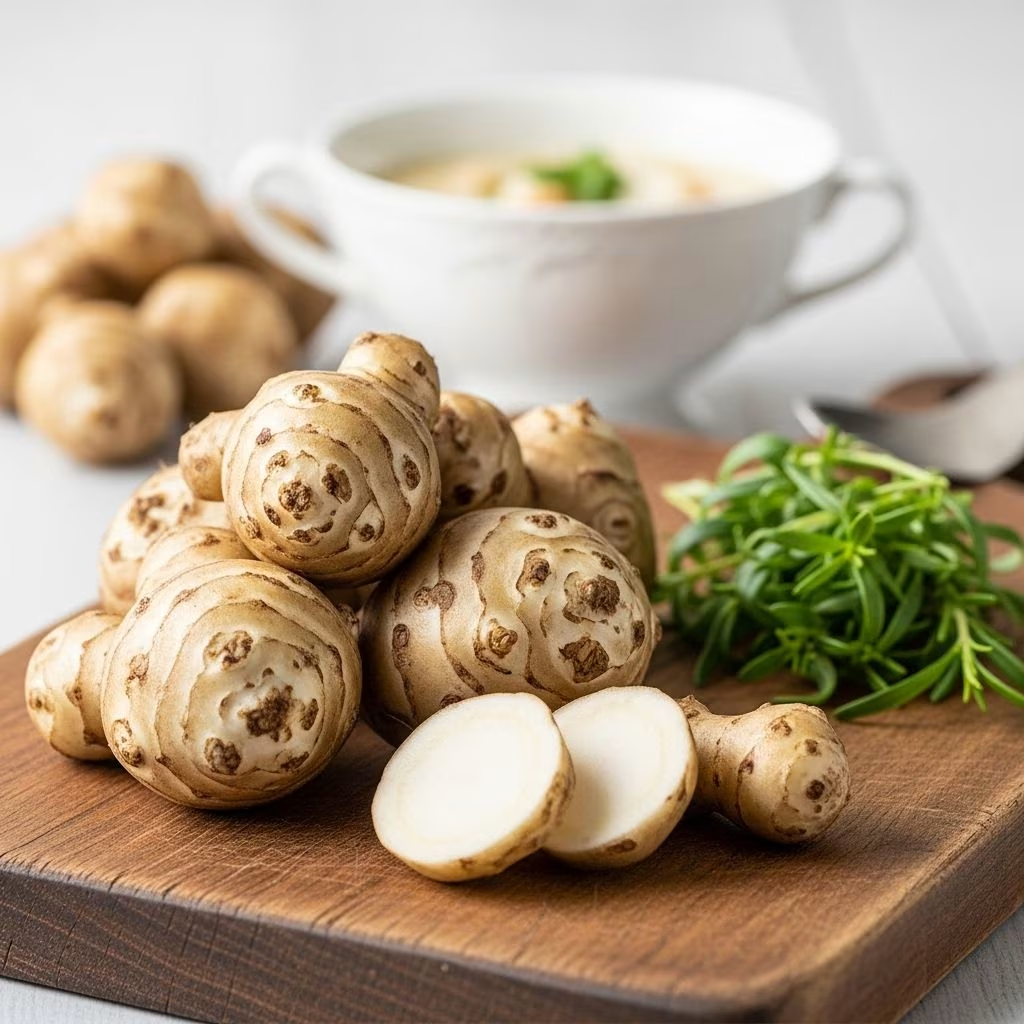
Sunchoke, also known as Jerusalem artichoke, is a nutrient-rich tuber gaining recognition for its remarkable health properties, distinctive flavor, and versatility in the kitchen. Native to North America and cultivated for centuries, this humble vegetable is resurfacing as a superfood among modern chefs and health enthusiasts. This comprehensive article explores all aspects of sunchoke: what it is, its nutritional benefits, a wide range of culinary uses, and what makes its taste so unique.
Introduction: Meet the Sunchoke
The sunchoke (Helianthus tuberosus) is a tuberous root vegetable closely related to the sunflower. Despite its alternative name, Jerusalem artichoke, the sunchoke is neither from Jerusalem nor a type of artichoke. It grows underground as a knobbly, ginger-like tuber and is prized for its culinary versatility and nutritional punch.
Other common names include sunroot, earth apple, and topinambur.
Botanical Background and History
Origin and Distribution:
- Native Region: Sunchoke is native to central and eastern North America, thriving in wild prairies, plains, and open woodlands. It now grows widely across temperate zones worldwide due to its adaptability and ease of cultivation.
- Family: It belongs to the sunflower family (Asteraceae), with striking yellow blossoms similar to small sunflowers towering up to 10 feet in height.
Historical Perspective:
- Once a staple in the diets of various Native American tribes, sunchoke was introduced to Europe in the early 1600s after French explorers encountered it growing in indigenous gardens.
- The name “Jerusalem artichoke” derives from a linguistic corruption of the Italian term girasole (meaning sunflower), not from any association with the city of Jerusalem.
Physical Description
- Plant: A perennial herb reaching 1.5–3 m (5–10 ft) tall with hairy, rough leaves and bright yellow flowers.• Tubers are elongated, knobby, and can range in color from pale brown to red or purple, resembling ginger root.
- Edible Part: The tuber, or underground stem, is what is harvested and consumed. It has a thin papery skin and a crunchy, white interior.
Nutritional Profile and Health Benefits
Sunchokes are valued for a unique nutritional composition that makes them a favorite for both health-conscious eaters and those with special dietary needs.
| Nutrient | Approximate Value (per 100g raw) | Benefits |
|---|---|---|
| Calories | 73 kcal | Low-calorie, weight-friendly |
| Fiber | 1.6–2.4 g | Promotes gut health; aids regularity |
| Carbohydrates | 17 g | Mainly from inulin, not starch |
| Protein | ≈ 2 g | Higher than most root veggies |
| Fat | <0.1 g | Fat-free food |
| Potassium | 429 mg | Supports blood pressure control |
| Iron | 3.4 mg | Supports red blood cell formation |
| Vitamin C | 4 mg | Antioxidant, immune support |
Key Health Benefits
- Gut Health and Digestion: The main carbohydrate in sunchoke is inulin, a type of prebiotic fiber that nourishes gut bacteria, enhances digestion, and supports a healthy microbiome.
- Blood Sugar Management: Inulin is low glycemic and does not spike blood sugar, making sunchokes suitable for diabetics and those managing blood sugar levels.
- Rich in Minerals: Excellent source of potassium, iron, phosphorus, and magnesium.
- Antioxidant Content: Provides vitamin C and other antioxidants that support immune health and protect cells from damage.
- Allergy and Dietary Friendly: Naturally gluten-free, nut-free, and safe for many allergy-prone individuals.
- Low-Calorie, Satiating Food: Fiber and water content promote fullness and may support weight management.
Culinary Uses: How to Cook and Enjoy Sunchokes
Sunchokes are celebrated for their remarkable culinary versatility. Their unique nutty-sweet flavor and crisp-yet-creamy texture shine in various preparations. Here is how you can add them to your meals:
- Raw: Thinly sliced or shredded into salads, they add a crunchy, water chestnut-like quality.
- Roasted or Baked: Roasting with olive oil, herbs, and salt caramelizes their natural sugars, offering a sweet, nutty dish akin to roasted potatoes.
- Mashed or Pureed: Blended into an earthy, velvety puree like mashed potatoes, often combined with butter and cream.
- Soups and Stews: Adds creaminess and subtle sweetness to hearty soups and winter stews.
- Fried or Sautéed: Sliced into thin chips and fried for a potato chip alternative or sautéed with vegetables.
- Pickled: Their firm texture makes them ideal for pickling, contributing crunch to sandwiches and salads.
- Substitute: Can be used in place of potatoes, water chestnuts, or jicama in recipes.
Preparation Tips:
- The thin skin is entirely edible; simply wash and scrub well. Peeling is optional.
- After slicing, consider soaking in lemon water to prevent browning.
- Pair well with herbs (thyme, rosemary), nuts, and rich meats (duck, pork).
Simple Roasted Sunchoke Recipe
- Scrub the sunchokes, slice into rounds, toss with olive oil, salt, and pepper.
- Roast at 425°F (220°C) for 25-30 minutes, flipping halfway, until golden and tender.
- Sprinkle with fresh herbs and serve as a side dish.
Taste and Texture: What Do Sunchokes Taste Like?
Sunchokes offer a unique culinary experience:
- Flavor: Mildly sweet and nutty, often compared to a blend of artichoke heart, water chestnut, and sunflower seed.
- Texture: Crisp and juicy when raw, similar to jicama or water chestnut; becomes creamy and tender with cooking.
- Aftertaste: Has a subtle earthiness and, in some preparations, a pleasingly rich, starchy finish.
Chefs often highlight its adaptability, using sunchokes in everything from delicate raw salads to decadent purees beneath roasted meats.
Growing and Harvesting Sunchokes
- Growth Habit: Sunchokes are herbaceous perennials with rapid growth, forming dense clumps (Helianthus tuberosus can reach 1.5–3 m tall).
- Sun and Soil: Prefer full to partial sun and thrive in well-drained, neutral to slightly alkaline soil.
- Planting: Tubers are planted in early spring, similar to potatoes. They can be invasive, so consider raised beds or barriers.
- Harvest: Tubers are best harvested after the first frost, as the cold sweetens them. Dig them up in late fall or winter.
- Storage: Sunchokes do not store as long as potatoes. Keep them in the refrigerator for up to two weeks, or leave unharvested in the ground until needed.
Potential Drawbacks and Considerations
While sunchokes offer impressive health and culinary benefits, a few considerations are worth noting:
- Digestive Effects: The high inulin content can cause gas and bloating, especially for those unaccustomed to it. Start with small amounts and increase gradually.
- Allergies: Rare, but those sensitive to the Asteraceae (sunflower/daisy) family should exercise caution.
- Storage Limitations: Sunchokes tend to shrivel and spoil faster than potatoes; keep refrigerated and consume promptly.
- Flavor Shifts: May develop a slightly metallic or soapy flavor if harvested too early or improperly stored.
Sunchoke vs. Other Root Vegetables
| Root Vegetable | Main Carbohydrate | Flavor | Key Benefits |
|---|---|---|---|
| Sunchoke | Inulin (prebiotic fiber) | Nutty, sweet, crisp | Gut health, minerals, low glycemic |
| Potato | Starch | Earthy, mild | Satiety, potassium |
| Parsnip | Starch | Sweet, slightly peppery | Vitamin C, folate |
| Jicama | Inulin | Juicy, mildly sweet | Hydration, low calories |
Frequently Asked Questions (FAQs)
Q: Is sunchoke the same as Jerusalem artichoke?
A: Yes, sunchoke and Jerusalem artichoke refer to the same plant (Helianthus tuberosus), though neither is related to the globe artichoke or Jerusalem.
Q: How can I avoid digestive discomfort when eating sunchokes?
A: Start with small servings to allow your gut to adjust to the inulin content. Cooking sunchokes (roasting or boiling) can make them easier to digest for many people.
Q: What’s the best way to store sunchokes?
A: Store unwashed sunchokes in the refrigerator crisper drawer in a paper bag for up to two weeks. For longer storage, leave them unharvested in the ground until use.
Q: Can sunchokes be eaten raw?
A: Absolutely. When raw, they are crunchy and mildly sweet, perfect for salads, crudité platters, or slaws.
Q: Are sunchokes safe for people with diabetes?
A: Yes, sunchokes are a low glycemic food thanks to their inulin content, making them an excellent option for blood sugar control.
Conclusion
Sunchokes, or Jerusalem artichokes, are a delicious, nutritious, and versatile root vegetable with deep North American roots and a growing reputation among modern cooks and health-minded individuals. Their nutty-sweet flavor, gut-friendly fiber, and host of minerals make them an exciting addition to any diet. With thoughtful preparation and moderate introduction, sunchokes can bring both zest and nutrition to your table.
References
- https://en.wikipedia.org/wiki/Jerusalem_artichoke
- https://plants.ces.ncsu.edu/plants/helianthus-tuberosus/
- https://www.lakewinds.coop/blog/what-are-sunchokes/
- https://ictnews.org/archive/sunchokes-shine-the-native-root-vegetable-gets-its-much-deserved-field-day-in-the-sun/
- https://backyardforager.com/jerusalem-artichokes-sunchokes-helianthus-tuberosus/
- https://www.harvestagainsthunger.org/2022/01/06/all-about-sunchokes/


