


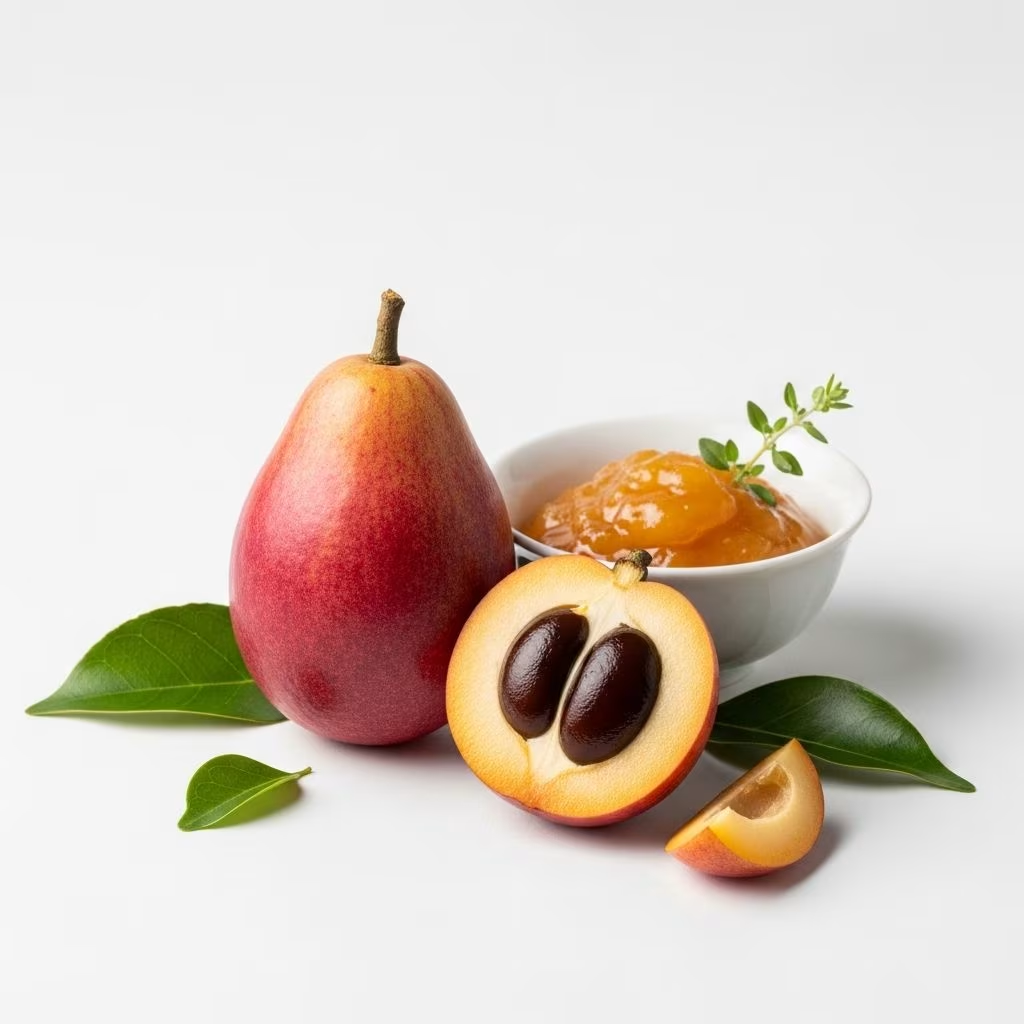
What Is Umari?
Umari, also known as Loomi or dried lime, is a distinctive spice that has been captivating taste buds across the Middle East, Persian Gulf, and South Asian regions for centuries. These are essentially fresh limes that have been completely dehydrated through a traditional sun-drying process, resulting in a hard, hollow shell with an intensely concentrated flavor profile.
The transformation from fresh lime to umari creates a completely unique ingredient that bears little resemblance to its original form. When properly dried, umari develops a complex flavor matrix that combines tanginess, earthiness, and subtle bitterness in perfect harmony. This makes it one of the most versatile and sought-after spices in Middle Eastern and Persian cuisines.
Unlike fresh citrus fruits that provide bright, sharp acidity, umari offers a more rounded and mellow citrus flavor with deeper, more complex undertones. The dehydration process concentrates the natural oils and compounds within the lime, creating an entirely new flavor dimension that cannot be replicated by any other ingredient.
History and Origins
The practice of drying limes to create umari dates back hundreds of years and originated as a practical preservation method. In regions where limes were abundant during certain seasons but scarce during others, people developed this ingenious technique to extend the availability of citrus flavors throughout the year.
Historically, umari became particularly important in Persian and Gulf cuisines, where it evolved from a simple preservation technique into an essential culinary ingredient. Traders and travelers along ancient spice routes helped spread the use of umari across different cultures, leading to its adoption in various regional cooking traditions.
The spice gained prominence not just for its flavor but also for its practical advantages. Unlike fresh limes that spoil quickly, umari could be stored for months or even years without refrigeration, making it invaluable for long sea voyages and desert travel. This portability and longevity helped establish umari as a cornerstone ingredient in many traditional recipes.
Types of Umari
Umari comes in two primary varieties, each with distinct characteristics and flavor profiles:
Yellow Umari
Yellow umari represents the milder variety of dried lime. These are typically dried for shorter periods and retain more of their original lime character. Yellow umari offers a gentler introduction to the world of dried limes, making it perfect for beginners or those who prefer subtler flavors. The taste is more recognizably lime-like, with moderate tanginess and less intense bitterness.
Black Umari
Black umari is the more intense and complex variety. The extended drying and aging process results in a darker color and significantly more concentrated flavor. Black umari delivers a more pronounced earthiness and bitterness, balanced by deep tangy notes. Professional chefs often prefer black umari for its ability to add profound depth to dishes without overwhelming other flavors.
| Characteristic | Yellow Umari | Black Umari |
|---|---|---|
| Flavor Intensity | Moderate | Strong |
| Bitterness Level | Mild | Pronounced |
| Tanginess | Fresh and bright | Deep and complex |
| Best For | Beginners, delicate dishes | Experienced cooks, robust dishes |
Distinctive Taste Profile
The taste of umari is truly unique and cannot be easily compared to any other spice or ingredient. The flavor profile encompasses several distinct elements that work together to create its signature taste:
Primary Flavor Components
Tanginess forms the backbone of umari’s flavor profile. However, this is not the sharp, bright acidity of fresh lime juice. Instead, it’s a more mellow and rounded tanginess that has been concentrated and mellowed through the drying process. This creates a sophisticated citrus note that enhances other flavors rather than overpowering them.
The earthiness in umari develops during the drying process and adds a grounding quality to its flavor. This earthy undertone provides depth and complexity, making umari feel more substantial and satisfying than simple citrus acidity. It’s this earthiness that allows umari to complement rich, fatty dishes so effectively.
Subtle bitterness rounds out the flavor profile, particularly in black umari. This bitterness is not unpleasant but rather adds sophistication and prevents the tanginess from becoming cloying. The bitterness also helps umari cut through rich foods and cleanse the palate.
Comparison to Other Citrus
When compared to sumac, another popular Middle Eastern citrus spice, umari offers a more complex and less purely acidic flavor. While sumac provides bright, lemony tartness, umari delivers a more nuanced citrus experience with additional earthy and bitter dimensions.
Fresh lime juice, by contrast, offers immediate brightness and sharp acidity but lacks the depth and complexity that develops during umari’s drying process. The concentrated nature of umari also means that a small amount provides significantly more flavor impact than fresh citrus.
Health Benefits of Umari
Beyond its culinary applications, umari offers several potential health benefits derived from its concentrated citrus compounds and natural preservation methods:
Digestive Support
Umari contains natural compounds that may help support healthy digestion. The citrus oils and acids present in dried limes have traditionally been used to stimulate appetite and aid in the digestion of rich, fatty foods. This makes umari not just a flavor enhancer but also a functional ingredient in traditional cuisines.
Antioxidant Properties
The concentration process that creates umari helps preserve many of the antioxidant compounds found in fresh limes. These antioxidants may help protect cells from oxidative stress and support overall health. While the drying process may reduce some vitamin C content, other beneficial compounds become more concentrated.
Natural Preservation
The antimicrobial properties of citrus oils concentrated in umari have historically made it valuable for food preservation. These same properties may provide some health benefits when consumed, though more research is needed to fully understand these effects.
Mineral Content
Dried limes retain many of the minerals found in fresh citrus, including potassium and small amounts of calcium and magnesium. While umari is used in small quantities, it can contribute to overall mineral intake as part of a varied diet.
Culinary Uses and Applications
Umari’s versatility makes it an invaluable ingredient across numerous culinary applications. Its ability to enhance other flavors while adding its own unique character has made it indispensable in traditional Middle Eastern and Persian cooking.
Soups and Stews
Umari excels in long-simmered dishes where it has time to release its complex flavors gradually. In Persian and Gulf cuisine, whole umari are commonly added to soups and stews, where they infuse the entire dish with their distinctive taste. The dried limes become tender during cooking and can either be removed before serving or left in for diners to work around.
Rice Dishes
In many Middle Eastern rice preparations, umari provides essential flavor depth and helps cut through the richness of butter, oil, or meat. The spice works particularly well in pilaf-style dishes where its tangy-earthy character complements aromatic spices like saffron, cardamom, and cinnamon.
Meat and Poultry
Umari’s ability to balance rich, fatty flavors makes it perfect for meat dishes. It can be used in marinades, spice rubs, or added directly to braised dishes. The citrus compounds help tenderize proteins while adding complexity to the overall flavor profile.
Spice Blends
Ground umari is frequently incorporated into traditional spice blends, where it adds citrus notes without the moisture problems associated with fresh citrus. Its concentrated flavor means a little goes a long way in these applications.
How to Use Umari in Cooking
Understanding how to properly use umari is crucial for achieving the best results in your cooking. The spice can be used in several different forms, each offering unique advantages:
Whole Umari
When using whole umari, pierce them several times with a knife tip or skewer before adding to dishes. This allows the flavors to escape during cooking while keeping the bitter seeds contained within the shell. Whole umari work best in liquid-based dishes where they have time to soften and release their flavors gradually.
For most dishes, 2-3 whole umari provide sufficient flavor for 4-6 servings. The general rule is that two black umari or three yellow umari provide equivalent flavor intensity to about a teaspoon of ground cumin or a small piece of cinnamon stick.
Crushed Umari
Crushing umari releases more flavor more quickly than using them whole. However, be careful to remove the extremely bitter seeds before crushing, as they can overwhelm the dish’s flavor balance. Crushed umari work well in shorter cooking times and provide more immediate flavor impact.
Ground Umari
Ground umari powder is the most potent form and should be used sparingly. A quarter to half teaspoon of umari powder can replace a tablespoon of fresh citrus juice in most recipes. This form works excellently in dry spice rubs, marinades, and as a finishing touch on completed dishes.
Measurement Guidelines
When substituting umari for other citrus ingredients, use these general conversions:
- 1 tablespoon fresh lime juice = 1/4 to 1/2 teaspoon ground umari
- 1 whole fresh lime = 2-3 whole umari
- 1 teaspoon sumac = 1/2 teaspoon ground umari
Substitutes and Alternatives
While umari’s unique flavor cannot be perfectly replicated, several ingredients can provide similar functions in recipes:
Sumac
Sumac offers the closest flavor profile to umari, providing tartness and slight earthiness. Use half the amount of sumac as you would ground umari, as sumac tends to be more acidic and less complex.
Fresh Lime Juice and Zest
For dishes where the citrus element is most important, combine fresh lime juice with a small amount of lime zest. This provides immediate citrus flavor but lacks umari’s earthy depth and concentrated intensity.
Preserved Lemons
In some applications, preserved lemons can provide similar salty-citrus complexity, though the flavor profile is quite different. Use preserved lemon peel in small amounts and adjust salt in the recipe accordingly.
Storage and Preservation
Proper storage ensures that umari maintains its potency and flavor for extended periods:
Whole Umari Storage
Store whole umari in an airtight container in a cool, dry place away from direct sunlight. Properly stored whole umari can maintain quality for up to two years. Check periodically for any signs of moisture or mold, which would indicate storage problems.
Ground Umari Storage
Ground umari is more susceptible to flavor loss and should be stored in small, airtight containers. Use within 6-12 months for best flavor, and consider grinding small amounts as needed rather than pre-grinding large quantities.
Freezer Storage
For maximum longevity, umari can be stored in the freezer in airtight containers. This is particularly useful for ground umari, which maintains its potency longer when frozen.
Buying Guide
When purchasing umari, several factors determine quality and value:
What to Look For
High-quality umari should feel light and hollow when shaken, indicating complete dehydration. The exterior should be free from cracks or holes that might indicate poor drying or pest damage. Fresh, quality umari will have a strong, pleasant aroma when lightly crushed.
Where to Buy
Umari is increasingly available in Middle Eastern grocery stores, specialty spice shops, and online retailers. Many international sections of larger supermarkets now carry dried limes, reflecting growing interest in Middle Eastern cuisine.
Price Considerations
While umari may seem expensive compared to common spices, remember that a little goes a long way. A small bag of umari can last for months or even years in home cooking applications.
Frequently Asked Questions
Q: Can I make umari at home from fresh limes?
A: While possible, traditional umari requires specific drying conditions and can take weeks to months to achieve proper dehydration. Commercial umari is generally more reliable and cost-effective.
Q: Are the seeds inside umari edible?
A: The seeds inside umari are extremely bitter and should be removed before eating. When using whole umari in cooking, pierce them but leave them intact to prevent seed dispersal.
Q: How do I know if my umari has gone bad?
A: Signs of spoiled umari include visible mold, soft or spongy texture, or loss of aroma. Properly stored umari should remain hard and aromatic for years.
Q: Can umari be used in sweet dishes?
A: Yes, umari can add interesting complexity to sweet dishes, particularly those with rich or creamy elements. Use sparingly and consider the overall flavor balance.
Q: Is there a difference between Persian and Arab umari?
A: While the basic preparation is similar, different regions may have slight variations in drying methods or lime varieties used. The fundamental flavor characteristics remain consistent.
Q: Can I substitute lime powder for ground umari?
A: Lime powder lacks the complex earthiness and concentrated flavor of true umari. While it can provide citrus notes, it won’t replicate umari’s unique taste profile.
References
- https://worldspice.com/blogs/cooking-guides-tips/what-is-umami
- https://www.youtube.com/watch?v=ajvRsKDUKRI
- https://www.greenlandfood.net/blogs/news/12-spices-of-middle-east
- https://www.myweekendkitchen.in/indian-spices-names-hindi-english/
- https://en.wikipedia.org/wiki/List_of_Bangladeshi_spices
- https://en.wikipedia.org/wiki/List_of_Pakistani_spices
- https://allspicery.com/blogs/news/a-culinary-voyage-unveiling-the-spices-of-middle-eastern-cuisine
- https://www.worldofspice.co.uk/glossary/


