


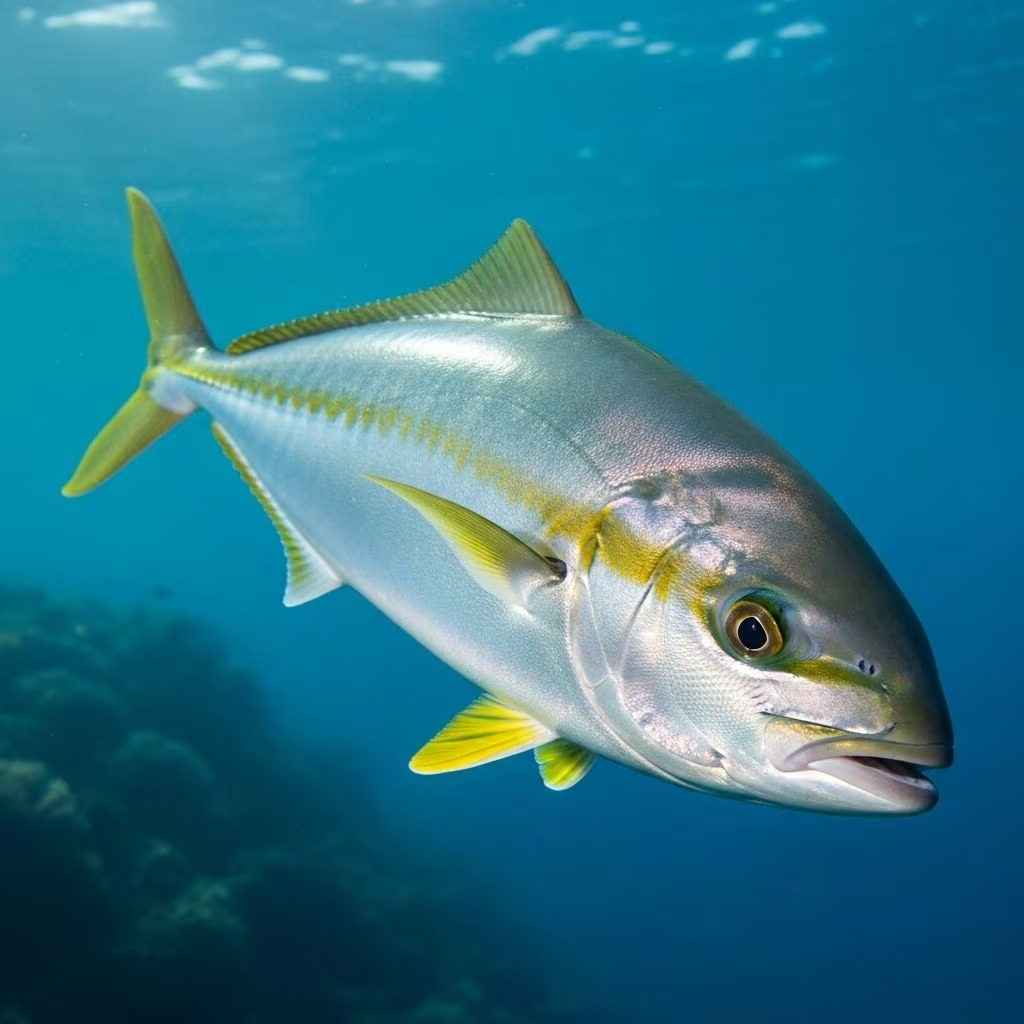
Yellowtail Fish (Hamachi/Buri): Benefits, Dosage & Side Effects
Yellowtail fish, known as hamachi or buri in Japan, is celebrated globally for its exquisite taste, high-quality protein, and powerful health benefits. This Japanese fish, prominent in sushi and sashimi, delivers an impressive array of essential nutrients and omega-3 fatty acids. Whether you are a culinary enthusiast or health-conscious eater, understanding the nutritional advantages, optimal dosage, and considerations for safe consumption is essential.
What is Yellowtail (Hamachi/Buri)?
Yellowtail refers to several species of fish in the Carangidae family, most commonly the Seriola quinqueradiata (Japanese amberjack). Known as hamachi when young (typically under three years) and buri as they mature, this fish is highly prized in Japanese cuisine for its delicate, buttery flavor and firm texture. Yellowtail is often served raw (sashimi), in sushi rolls, grilled, or lightly seared (tataki), making it a versatile choice for various dishes.
Nutritional Profile
Yellowtail fish stands out for its robust nutrient content, combining lean protein, healthy fats, vital vitamins, and minerals crucial for optimal well-being. Here’s a standard breakdown for a 3.5-ounce (100g) cooked serving:
| Nutrient | Amount per 100g | % Daily Value (DV) |
|---|---|---|
| Calories | 141–146 | – |
| Protein | 23–23.2 g | – |
| Total Fat | 4.6 g | – |
| Saturated Fat | 1.2 g | – |
| Omega-3 Fatty Acids | 0.8 g | – |
| EPA | 0.3 g | – |
| DHA | 0.4 g | – |
| Cholesterol | 49 mg | – |
| Vitamin D | 18% DV | Supports bone health |
| Vitamin B12 | 31% DV | Supports nerve/red blood cell function |
| Selenium | 27% DV | Anti-oxidative, immune support |
| Niacin (B3) | 18% DV | Energy metabolism |
| Phosphorus | 16% DV | Bone/teeth health |
| Magnesium | 7% DV | Supports muscle/nervous system |
| Potassium | 7% DV | Electrolyte balance |
| Iron | 5% DV | Blood oxygenation |
Health Benefits of Yellowtail Fish
Yellowtail’s impressive nutrition translates into a range of potential health benefits, making it an excellent addition to a balanced diet.
1. Outstanding Source of Lean Protein
- Provides 23 grams of high-quality protein per serving, encompassing all essential amino acids for tissue repair, muscle growth, and immune function.
- Protein-rich foods promote satiety, aid in healthy weight management, and support overall metabolic health.
2. Rich in Omega-3 Fatty Acids
- Contains significant levels of omega-3 fatty acids (EPA & DHA), vital for heart, brain, and joint health.
- Omega-3s help lower triglycerides, reduce blood pressure, and decrease the risk of arrhythmia and stroke.
- Promotes optimal brain function, cognitive health, and may improve mood and reduce depression symptoms.
- Displays anti-inflammatory properties that support joint and skin health.
3. Supports Heart Health
- Low in saturated fat; offers healthy unsaturated fats, which lower LDL (bad cholesterol) and support cardiovascular health.
- Contains selenium, an antioxidant linked with reducing heart disease risk and improving cholesterol levels.
4. Promotes Bone and Immune Health
- Vitamin D supports calcium absorption and bone strength.
- Rich in selenium—vital for thyroid hormone regulation, immunity, and anti-cancer effects.
5. Boosts Energy and Overall Metabolic Health
- Vitamin B12 and other B vitamins in hamachi facilitate red blood cell production, DNA synthesis, and neurological function.
- The fish’s minerals (magnesium, potassium, phosphorus) are essential for energy production, electrolyte balance, and muscle function.
6. Weight Management
- Excellent choice for those aiming to lose or maintain a healthy weight; low in calories and fat while offering satisfying protein.
Recommended Dosage & Serving Suggestions
To harness yellowtail’s health benefits safely, it’s important to determine appropriate intake and preparation:
Recommended Intake
- General guideline: 2–3 servings of fish per week are recommended by most nutrition authorities, with each serving being about 3.5 ounces (100 grams) of cooked fish.
- Yellowtail may be enjoyed as sashimi, sushi, grilled fillets, or in salads and rolls.
- Diverse preparations preserve nutritional value; raw or lightly seared options (like sushi or tataki) often provide maximum omega-3 content.
Serving Tips for Maximum Nutritional Value
- Pair with vegetables high in antioxidants for enhanced synergy (e.g., leafy greens, yuzu, miso, jalapenos).
- Limit heavily fried preparations, which can add unnecessary saturated fats and calories.
- Choose sustainably sourced yellowtail to avoid environmental concerns and potential exposure to contaminants.
Potential Side Effects & Precautions
Yellowtail fish is largely safe for most individuals; however, certain considerations should be kept in mind:
- Mercury Content: Like many larger fish, yellowtail can accumulate mercury and other heavy metals. Children, pregnant or breastfeeding women, and individuals with compromised kidney function should moderate their consumption and prioritize lower-mercury fish options when possible.
- Allergy Risks: Fish allergy is possible though rare with yellowtail. Symptoms may include hives, digestive upset, or—very rarely—anaphylaxis. If you experience allergic reactions with other fish, consult your healthcare provider before trying yellowtail.
- Raw Consumption Advisory: Consuming raw or undercooked yellowtail (such as sashimi or sushi) carries a risk of bacterial and parasitic infection. Only eat raw yellowtail from reputable restaurants with high food safety standards to reduce exposure risks.
- Sodium Concerns: Some sushi preparations may be high in sodium due to soy sauce or marinades; monitor intake if you have hypertension or need to limit sodium.
How to Prepare Yellowtail Fish
Yellowtail’s subtle, sweet flavor lends itself to a variety of culinary techniques. Here are some of the most popular and nutritious methods:
- Sashimi: Thinly sliced, served raw with fresh wasabi, soy sauce, and pickled ginger. Maximizes fresh omega-3 content.
- Sushi: Served atop vinegared rice, sometimes garnished with jalapeno, chives, or yuzu kosho. Adds fiber and carbs for balanced energy.
- Grilled: Yellowtail steak or fillet seasoned with light salt and herbs, paired with seasonal vegetables.
- Tataki: Briefly seared on the outside, sliced, and served with tangy sauces (e.g., yuzu-miso). Preserves most of the fish’s nutrients while adding flavor complexity.
- Baked: Fillets topped with vegetables and herbs, cooked at moderate temperature for light, healthy meals.
Frequently Asked Questions (FAQs)
Q: Is hamachi the same as buri?
A: Both terms refer to the Japanese amberjack species; hamachi is the younger fish, while buri is the mature adult. Both are used in sushi, with slight differences in fat and flavor profiles.
Q: Can I eat yellowtail fish raw?
A: Yes, yellowtail is commonly eaten raw as sashimi or sushi. Ensure the fish is sushi-grade and sourced from reputable suppliers to minimize risks of foodborne illness.
Q: How often can I safely eat yellowtail?
A: For most healthy adults, 2–3 servings per week is considered safe and beneficial, provided you balance mercury exposure and avoid excessive sodium or fats from preparation.
Q: Does yellowtail fish have high mercury?
A: Yellowtail may contain moderate mercury levels due to its position in the ocean food chain. Limit consumption among vulnerable groups, such as pregnant women and children, and rotate with lower-mercury fish like salmon or sardines.
Q: What are the most significant health benefits of yellowtail?
A: Yellowtail provides heart-healthy omega-3 fatty acids, abundant protein, essential vitamins (B12, D), minerals (selenium, phosphorus), and supports strong bones, energy metabolism, weight management, and immune health.
Q: Are there any allergens or contaminants in yellowtail fish?
A: Any fish can trigger allergies in susceptible individuals. Larger fish may contain moderate mercury; ensure consumption within recommended limits and seek medical guidance if uncertain.
Q: Does cooking affect yellowtail’s nutrition?
A: Light cooking (steaming, brief searing) minimally impacts nutrient retention. Deep frying or excessive heat may reduce omega-3 content and add unhealthy fats.
Conclusion
Yellowtail fish, whether enjoyed as hamachi or buri, is a nutritional powerhouse blending exquisite taste with remarkable health benefits. Its high protein, heart-healthy fats, vitamins, and minerals make it an ideal choice for those seeking wholesome and delicious seafood. For optimal results, include yellowtail as part of a varied diet, mind recommended intake guidelines, and observe food safety protocols, especially when consuming raw preparations.
References
- https://www.matsuhisarestaurants.com/these-health-benefits-of-yellowtail-sushi-may-surprise-you/
- https://www.selinawamucii.com/guides/yellowtail-fish-origins-nutrition-preparation/
- https://orderific.com/blog/hamachi-fish-4/
- https://koibitopoke.com/miraculous-health-benefits-of-yellowtail-why-you-should-be-eating-this-fish/
- https://koibitopoke.com/a-delicious-fish-you-shouldnt-miss-out-on-how-yellowtail-boosts-your-health/
- https://alfirdoosfishfarm.com/2025/07/31/the-delicate-delight-of-hamachi-fish-everything-you-need-to-know/
- https://omakaseje.com/articles/me226561


