
 Living Well
 Low Frustration Tolerance: Signs, Causes, and How to Improve It
Low frustration tolerance can make everyday setbacks feel overwhelming, affecting your mood, relationships, and productivity. This guide explains…
 Living Well
 Low frustration tolerance can make everyday setbacks feel overwhelming, affecting your mood, relationships, and productivity. This guide explains…
 Living Well
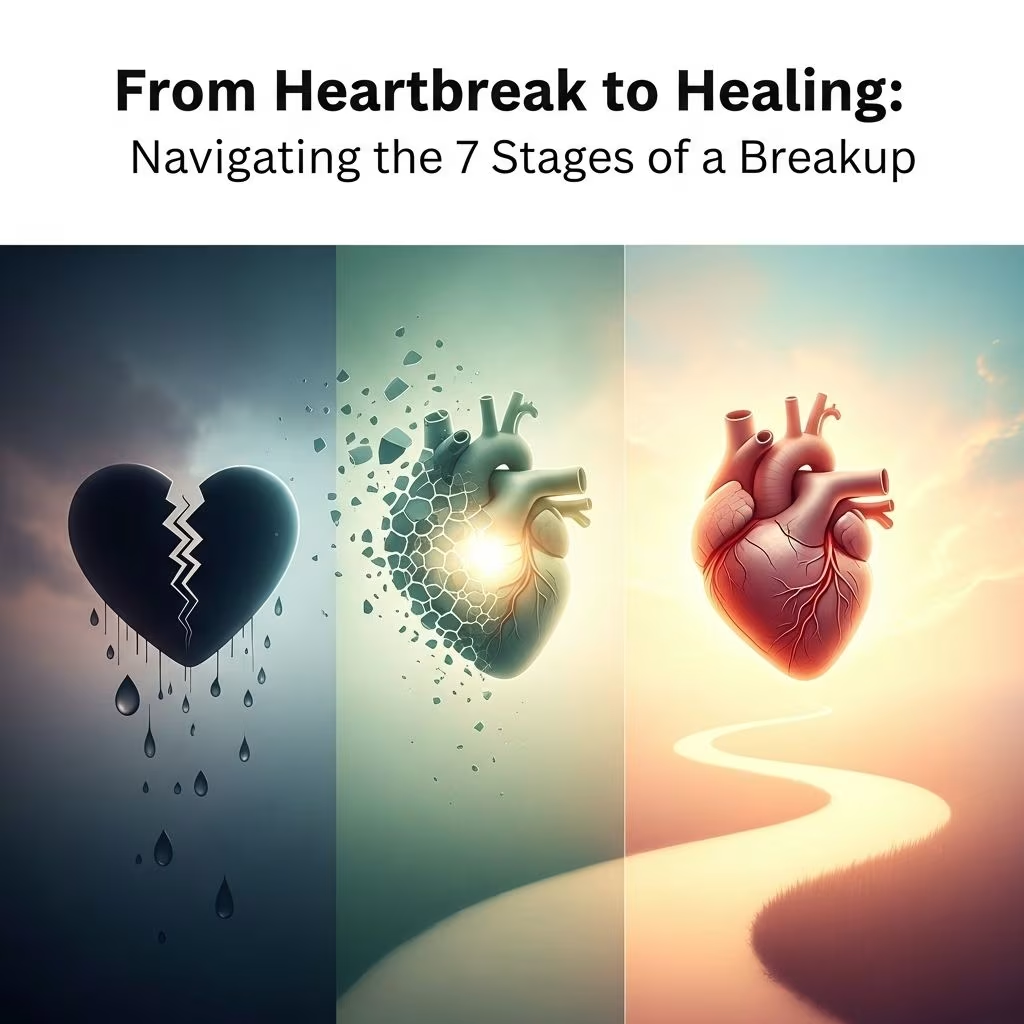
 Breakups can trigger a grieving process that unfolds in stages, from shock and denial to acceptance and renewed…
 Living Well
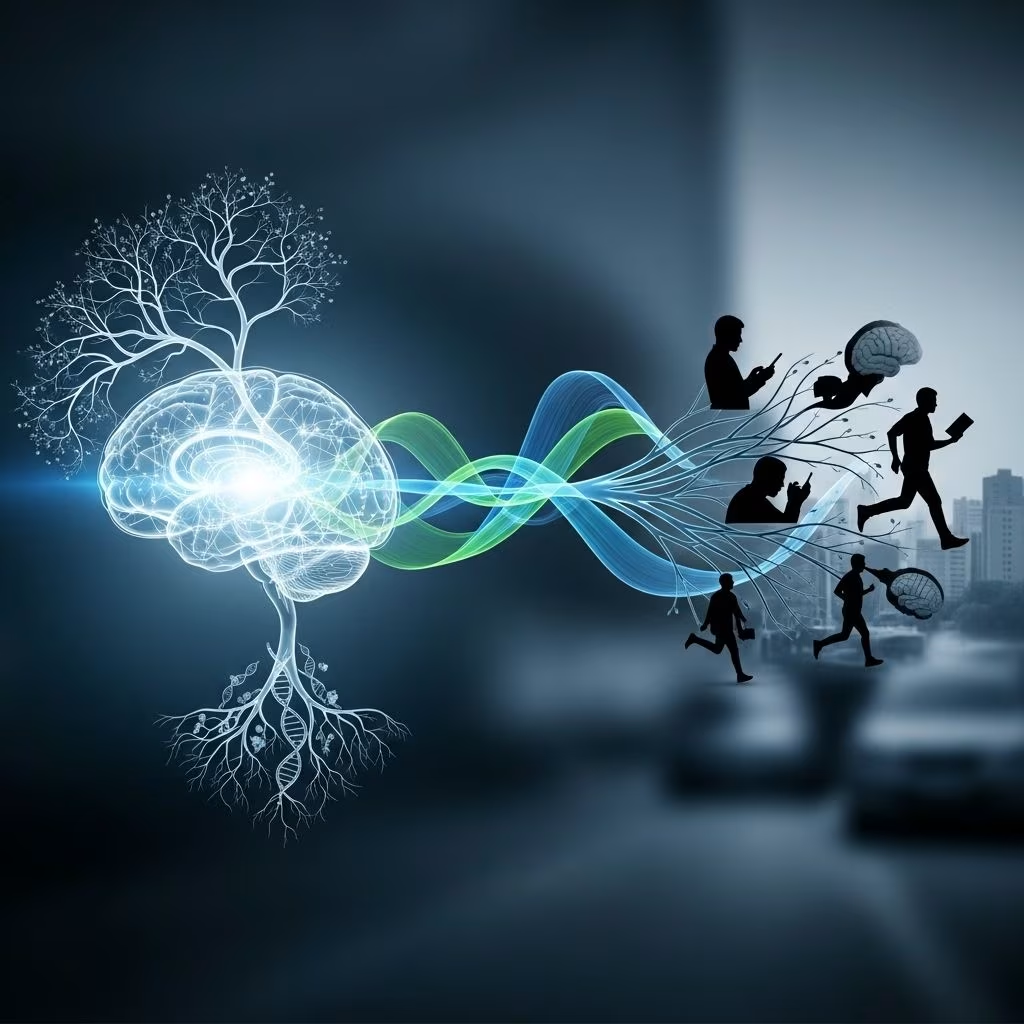
 Biopsychology examines how the brain, nervous system, genes, and hormones influence thoughts, emotions, and behavior. It bridges psychology…
 Living Well
 Brain plasticity, or neuroplasticity, is the brain’s ability to reorganize and form new connections in response to learning,…
 Living Well
 Field sobriety tests are used by police to assess possible impairment during DUI stops, but their accuracy is…
 Living Well
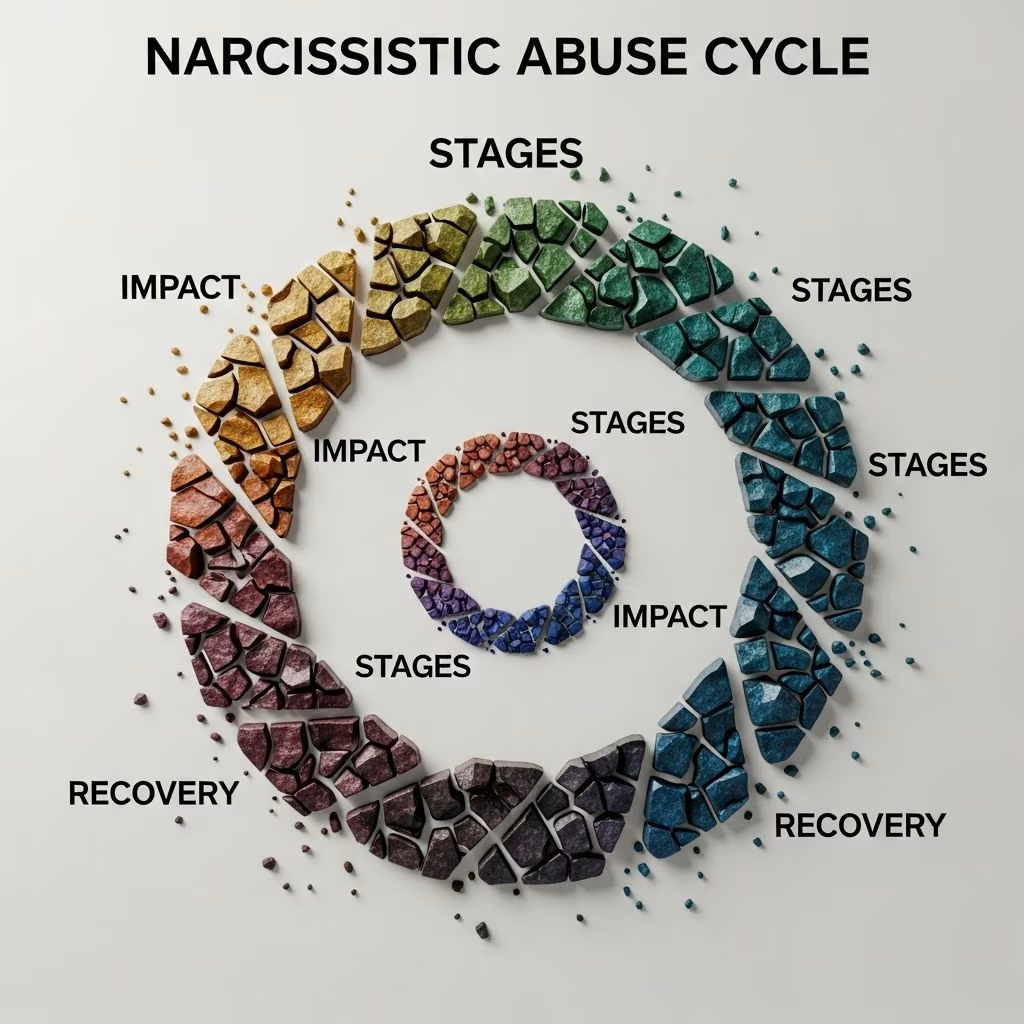
 Narcissistic abuse follows a repeating cycle of idealization, devaluation, discard, and often hoovering. This guide explains the signs,…
 Living Well
 A conditioned response is a learned reaction that develops through classical conditioning, when a neutral stimulus becomes linked…
 Living Well
 Wondering if you’re truly in love or just feeling a crush? This guide explains the signs of real…
 Living Well
 An algorithm is a clear, ordered set of instructions used to solve a problem or complete a task.…
 Living Well
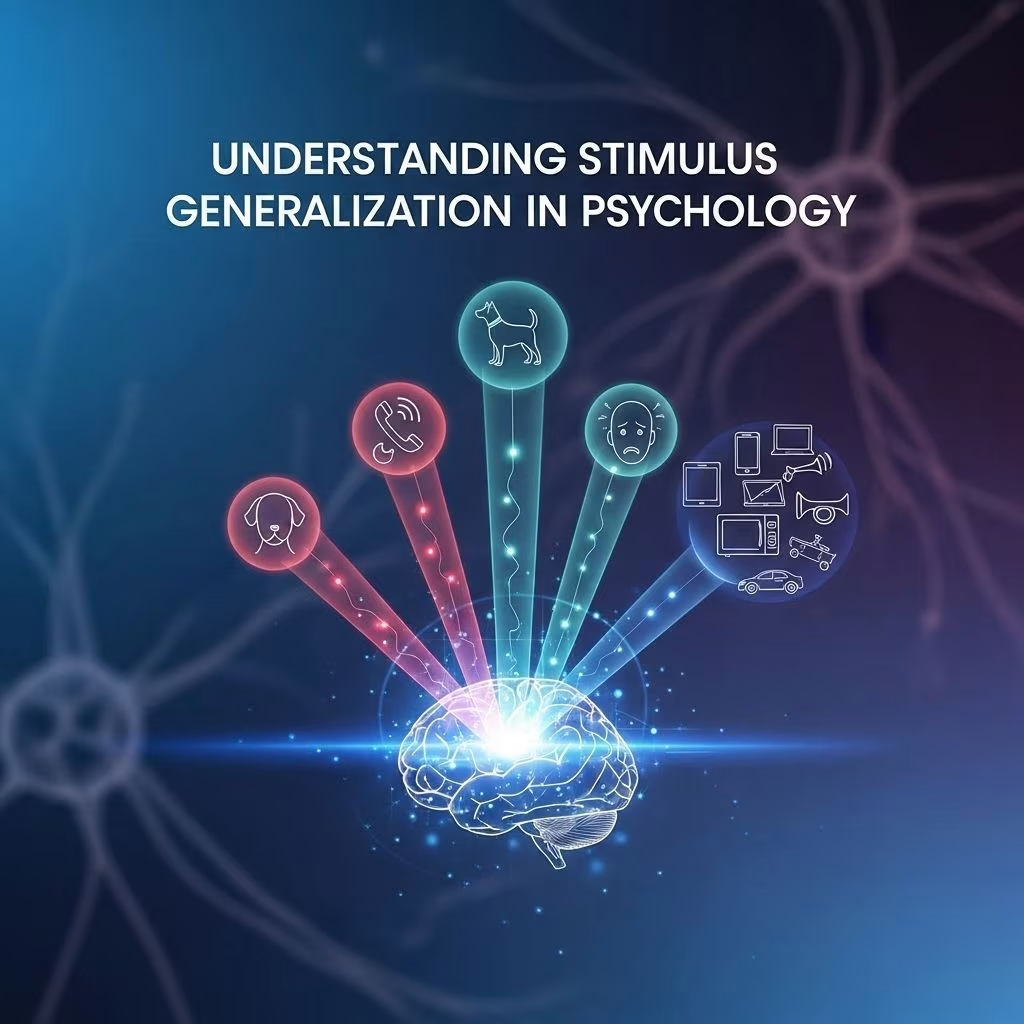
 Stimulus generalization is a behavioral psychology principle where a learned response extends to similar stimuli. It plays a…